
Blog
How Does Core Return Work for Diesel Parts?

A replacement injector shows up, the truck is down, and the old unit is sitting on the bench. That is usually when the question comes up – how does core return work, and what happens if the old part is damaged, incomplete, or late getting shipped back?
For diesel truck owners, fleets, and repair shops, the core process is not just a paperwork detail. It directly affects the final cost of the repair, whether a remanufactured part makes sense, and how fast that old component needs to move back out the door. If you understand the process upfront, you avoid delays, protect your core credit, and keep the job moving.
How does core return work?
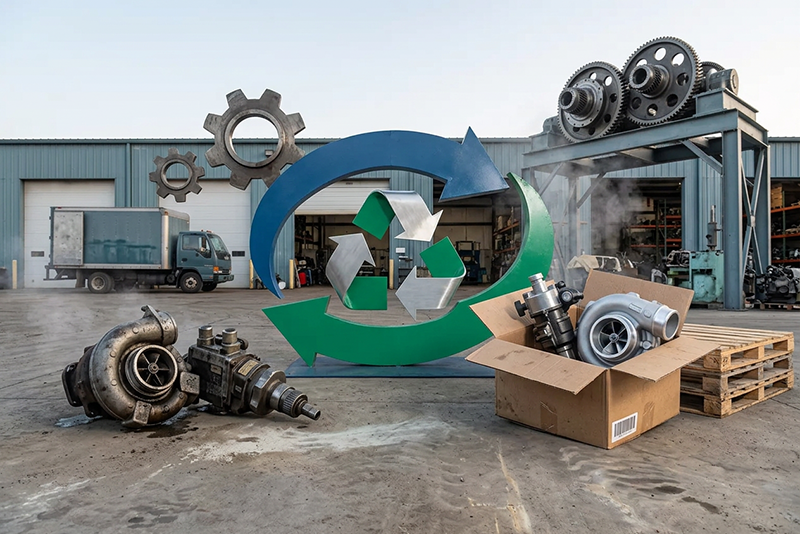
At the most basic level, a core is your used diesel part. It might be an injector, turbocharger, fuel pump, actuator, air compressor, or another rebuildable component. When you buy a remanufactured replacement, the seller often needs your old part returned so it can be inspected, rebuilt, tested, and put back into circulation.
That is why many reman parts include a core charge or core deposit. You pay for the replacement part, and you may also pay an additional amount tied to the old unit. Once the old part is returned and passes inspection under the supplier’s core policy, that deposit is credited back.
This model keeps remanufactured diesel parts available and helps control cost. Without usable cores coming back, rebuilders cannot maintain supply. That means fewer units on the shelf and higher replacement costs for customers who need dependable parts fast.
Why core returns matter on diesel components
Core returns are especially common in heavy-duty diesel because many major components are expensive, rebuildable, and worth restoring when the castings and housings are still serviceable. A reman injector body, turbo center section, or pump housing can often be rebuilt to reliable operating standards if the base unit has not been destroyed.
That matters in the real world because remanufactured parts usually offer a strong value. You are not paying the same price as brand-new OEM in many cases, but you still need a component that has been properly inspected, rebuilt, and tested for service. The core system is what makes that pricing model possible.
For working trucks, that balance matters. Fleets and shops are not buying theory – they are buying uptime. If a core return lowers the final repair bill without sacrificing reliability, it is doing its job.
What happens during a core return
In most cases, the process is straightforward. You order the replacement part, install it, and send back the old unit. The returned core is then inspected to confirm it matches the original application requirements and is suitable for rebuilding.
If the core meets the supplier’s standards, the credit is issued. If it does not, the return may be denied in full or reduced based on the condition of the part. That is where many misunderstandings happen. Customers assume any old part qualifies, but rebuilders are looking at whether the unit is complete, correct, and rebuildable.
For example, a diesel injector core usually needs to be the proper model, not cracked beyond repair, and not missing major components. A turbo core may be rejected if the housing is broken, the unit was heavily contaminated, or critical sections are damaged beyond rebuild limits. The same logic applies to pumps, actuators, and air compressors.
What counts as a good core
A good core is usually the same type of part you purchased, returned in rebuildable condition, with its major components intact. Normal wear is expected. Internal failure is expected. What is not always acceptable is severe physical destruction.
A core may lose value or be rejected if it has a cracked housing, broken mounting points, welded repairs, missing pieces, or heavy rust and contamination that make rebuilding impractical. Fire damage, impact damage, and parts that were disassembled and sent back incomplete can also create problems.
This is why it pays to handle removed components carefully. Tossing an injector set or turbo core loose into a dirty bin can cost money later. Cap open ports when possible, drain fluids as required, and package the core so it arrives in the same condition it left your shop.
How does core return work with deposits and credits?
The financial side is simple once you know the sequence. First, you buy the replacement component. If a core charge applies, it is added to the order total. That charge is not the price of the replacement part itself – it is a temporary amount held until the old unit is returned and approved.
After the supplier receives and inspects the core, a refund or credit is processed according to the return terms. Timing can vary depending on shipping, intake volume, and inspection procedures. Shops that plan around this process do better than shops that treat it like an afterthought.
There is one practical point here: cash flow. If you are ordering multiple injectors, pumps, or turbos for several trucks, outstanding core deposits can add up fast. Returning old units promptly is one of the easiest ways to avoid tying up unnecessary dollars in a fleet maintenance budget.
Common reasons cores get rejected
Most rejected cores fall into a few categories. The wrong part gets sent back. The part is incomplete. The damage is too severe for rebuilding. Or the return arrives too late under the supplier’s policy.
Cross-brand and cross-application mistakes happen more than they should, especially in busy shops. A Cummins component sent back against a different part number, or a mismatched actuator returned for credit on another unit, can slow everything down. Clean identification matters.
Contamination is another issue. If a failed fuel system spread metal through injectors and pumps, the returned parts may still be rebuildable, but the supplier needs to evaluate them correctly. In some cases, contamination is expected. In others, it can reduce core value depending on the extent of damage.
Best practices for shops and fleets
If you want the core process to work in your favor, treat returned parts like recoverable assets. Tag them as soon as they come off the engine. Match them to the repair order. Store them where they will not get damaged or mixed with scrap.
It also helps to confirm the supplier’s core policy before the part ships. Ask about return windows, required packaging, acceptable damage, and whether a prepaid label is available. That is a practical move, not a clerical one. It can be the difference between getting full credit and eating the deposit.
For higher-value diesel components, a quick photo before shipping is smart. If there is a dispute about condition or completeness, you have a record of what left your facility.
Why the supplier’s rebuild process matters
Not all reman parts are equal, and not all core programs support the same level of quality. A real diesel parts operation does more than collect old units and clean them up. The value comes from inspection, machining where needed, replacement of wear items, testing, and application-specific standards.
That is why the core system should be viewed as part of the quality chain, not just a refund mechanism. When returned injectors, turbos, and pumps go through a disciplined rebuild process, the next customer gets a better part. That keeps reman viable for working diesel equipment.
For buyers, that also means choosing a supplier that understands diesel applications, not just part numbers. American Diesel Parts, for example, builds its process around tested components, rebuild logistics, and support for returned cores so customers can keep repairs moving without guessing their way through the details.
When core return may not be worth it
There are cases where the answer depends on the condition of the old part and the economics of the job. If the component is catastrophically damaged, incomplete, or has been sitting outside for years, it may not qualify for meaningful credit. At that point, you need to weigh the shipping effort against the likely return.
The same goes for low-value cores with high freight cost. On some jobs, especially in remote areas or with badly damaged heavy components, the numbers may be tighter. That is why clear communication with the supplier matters before you assume what the credit will be.
A good core program saves money, supports part availability, and helps keep quality reman diesel components in circulation. The key is simple: return the correct part, return it on time, and return it in the best condition possible. If you treat core handling as part of the repair instead of something to figure out later, the process works the way it should – and your final cost is a lot easier to control.